Recovery
Facial massage during recovery: what you should know
Share to
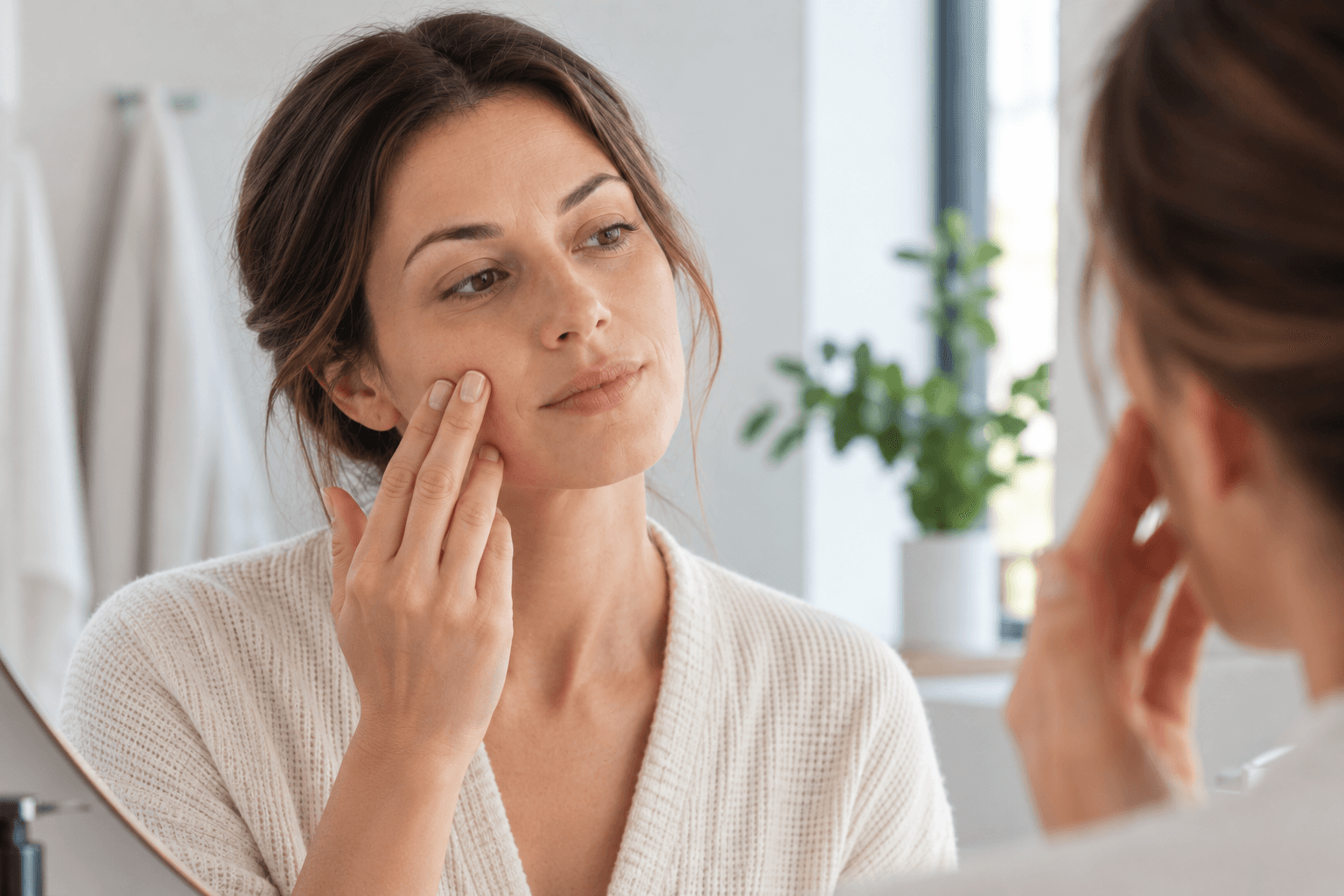
Facial massage is often mentioned during recovery from Bell’s palsy and other facial nerve conditions. It can feel comforting and may help with stiffness or tightness, but it is important to understand what massage can and cannot do.
Facial massage does not make the facial nerve regenerate faster. Instead, it may have a supportive role as your face changes during recovery.
Why is facial massage used?
During facial recovery, some people experience stiffness, tension or a feeling of tightness in the face.
Gentle massage may help you relax areas that feel tense and become more aware of how different parts of your face feel.
Later in recovery, particularly if synkinesis or increased muscle tightness develops, massage may also be included as part of an individual facial rehabilitation plan.
What should facial massage feel like?
Facial massage should generally feel gentle and comfortable, not painful or aggressive.
More pressure does not mean better results.
Depending on your needs, massage may involve slow movements using the fingertips around areas such as the cheek, jaw, forehead or around the mouth.
The goal is usually to reduce tension and encourage relaxation rather than force the face into a particular position.
When should you start?
There is no universal point when everyone should begin facial massage.
What is appropriate can depend on your stage of recovery, your symptoms and the cause of your facial weakness.
Someone in the early stages of Bell’s palsy may have different needs from someone experiencing tightness or synkinesis several months later.
If you are unsure, a facial rehabilitation specialist can show you techniques appropriate for your individual situation.
Massage and synkinesis
If synkinesis develops, parts of the face may begin to feel tight or overactive.
Massage and gentle stretching may sometimes be used alongside movement retraining to help manage this tension.
However, massage alone does not retrain unwanted facial movement patterns. Rehabilitation may also involve learning to perform smaller, more controlled movements while keeping other areas relaxed.
What should you avoid?
Avoid aggressive rubbing, excessive pressure or repeatedly stretching the face as far as possible.
Massage should also not replace appropriate medical care or individualized rehabilitation when it is needed.
If massage causes pain, irritation or makes your symptoms noticeably worse, stop and seek professional guidance.
Keep it gentle
Facial recovery is not about forcing the face to change.
Massage can be one supportive part of recovery, particularly when stiffness or tightness is present, but the technique should match what your face needs at that stage.
Gentle, purposeful care is more important than doing more.
If you have persistent facial weakness, pain, increasing tightness or involuntary facial movements, consider speaking with a healthcare professional experienced in facial nerve disorders.
